
How to Prevent and Treat Split Ends: Complete Hair Care Guide
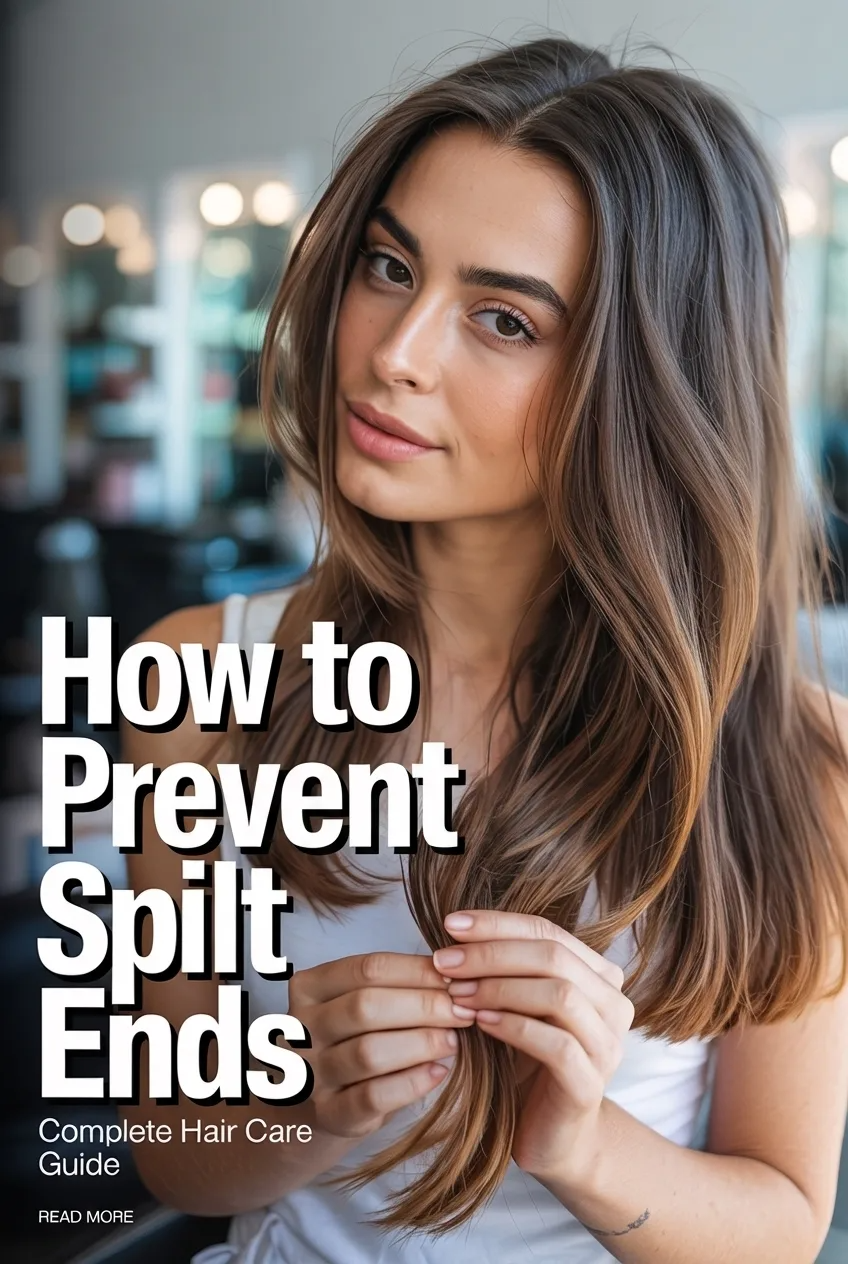
If you’ve ever noticed frayed, dry, or brittle ends, you’re definitely not alone. Split ends in hair are one of the most common signs of damage, and they can make even the healthiest strands look dull and unmanageable. The good news is that with the right habits and a consistent routine, you can both prevent and treat split ends effectively.
In this complete guide, we’ll walk through everything from how to find split ends to the best remedies for split ends, including simple at-home techniques and long-term healthy hair routines. Whether you’re trying to grow your hair longer or just want smoother, healthier ends, this guide will help you get there.
Understanding Split Ends and Why They Happen
Split ends, also known as trichoptilosis, happen when the protective outer layer of your hair (the cuticle) becomes damaged. Once that layer breaks down, the inner fibers start to fray, leading to visible splits at the ends of your hair. This is why you may notice bumpy ends, dryness, or uneven strands.
There are several causes behind split ends on hair, including excessive heat styling, chemical treatments, harsh brushing, and lack of moisture. Even environmental factors like sun exposure and pollution can contribute to hair damage. Over time, these stressors weaken your strands and make them more prone to splitting and breakage.

How to Identify and Find Split Ends
Before you can start removing split ends, it’s important to know how to find split ends properly. Look closely at the ends of your hair in natural light. You might notice a single strand splitting into two or even multiple branches, which is a clear sign of damage.
Different types of split ends can appear depending on how damaged your hair is. Some may look like tiny feathers, while others resemble knots or thin, tapered ends. Recognizing these early signs helps you take action before the damage travels further up the hair shaft.

How to Trim Your Split Ends at Home
Learning how to trim your split ends at home is one of the easiest ways to maintain healthy ends of hair without frequent salon visits. Start by using sharp hair-cutting scissors and working on clean, dry hair. Twist small sections of hair to make split ends easier to spot.
Carefully snip just above the split, rather than cutting straight across large sections. This method helps preserve your length while removing damaged areas. If you’re wondering how to cut hair ends at home safely, the key is patience and precision rather than rushing through the process.
Regular trims, even small ones, are essential for preventing further damage. A simple trim for hair every 6–8 weeks can make a noticeable difference in how your hair looks and feels.

Best Ways to Treat Split Ends
When it comes to how to treat split ends, it’s important to understand that once a strand is split, it can’t be fully repaired. However, you can improve its appearance and prevent further damage with the right care.
Using a nourishing hair mask to repair split ends is one of the most effective treatments. Look for ingredients like coconut oil, argan oil, keratin, and shea butter. These help smooth the cuticle and temporarily seal frayed ends, making your hair look healthier and shinier.
Homemade hair treatments can also be incredibly beneficial. A simple DIY hair care routine using ingredients like egg, yogurt, and olive oil can deeply hydrate your strands. These natural remedies for split ends are especially helpful if your hair feels dry or brittle.
How to Prevent Split Ends Before They Start
Preventing split ends is much easier than trying to fix them later. One of the best ways to stop hair from splitting is by building a consistent healthy hair routine. This includes gentle washing, conditioning regularly, and avoiding excessive heat styling.
Always use a heat protectant before styling tools, and try to limit how often you use straighteners or curling irons. Heat is one of the biggest contributors to frayed ends hair and long-term damage.
Another important habit is being gentle when detangling your hair. Use a wide-tooth comb and start from the ends, working your way up. This reduces breakage and helps maintain healthy ends of hair over time.
Hair Care Routine for Healthy Ends
A strong hair care routine is essential for keeping your ends smooth and preventing mid-shaft hair breakage. Start with a sulfate-free shampoo and follow up with a deeply hydrating conditioner to restore moisture.
Incorporating weekly hair masks for split ends and growth can make a big difference. These treatments strengthen your strands and improve elasticity, making your hair less prone to damage. Pair this with leave-in conditioners or serums to lock in hydration.
Long hair tips often emphasize protecting your ends while you sleep. Using a silk pillowcase or loosely braiding your hair at night helps reduce friction and prevents new split ends from forming.

How to Control Frizz and Flyaways
Split ends and frizz often go hand in hand. If you’re wondering how to remove frizz from hair or how to get rid of flyaways hair, hydration is key. Dry hair tends to lift and separate, making damage more visible.
Lightweight oils and serums can help smooth down your strands and create a polished look. Apply a small amount to the ends of your hair to keep them looking sleek without weighing them down.
Avoid over-washing your hair, as this can strip away natural oils. Keeping your hair moisturized helps control split ends and gives your hair a softer, healthier appearance overall.
Best Haircuts and Products for Split Ends
Choosing the best haircut for split ends can instantly improve how your hair looks. Styles like blunt cuts or soft layers help remove damaged ends and create a fuller, healthier shape. Regular trims also prevent splits from traveling up the hair shaft.
When it comes to products, look for the best shampoo for split ends that focuses on hydration and repair. Hair products for split ends should include strengthening ingredients like proteins and natural oils to support overall hair health.
Using a combination of trimming, treatments, and the right products creates a balanced approach to removing split ends and maintaining long, strong hair.

Tips for Faster Hair Growth with Healthy Ends
If your goal is longer hair, keeping your ends healthy is essential. Damaged ends can lead to breakage, which makes it harder to see real growth over time. Hair growth tips often focus on scalp care, but your ends deserve just as much attention.
Massage your scalp regularly to stimulate circulation and support growth. At the same time, protect your ends with oils or leave-in treatments to prevent splitting. This combination helps you maintain length while improving overall hair quality.
Consistency is key when following a healthy hair routine. With the right habits, you’ll notice stronger strands, fewer split ends, and smoother, shinier hair over time.
Final Thoughts
Learning how to prevent and treat split ends doesn’t require complicated routines or expensive treatments. It’s all about understanding your hair, using gentle techniques, and staying consistent with your care. Small changes, like trimming regularly and keeping your hair hydrated, can make a huge difference.
Whether you’re dealing with dry split ends or trying to avoid them altogether, the right approach will help you maintain healthy, beautiful hair. Stick to these tips, and you’ll be well on your way to stronger, smoother ends that look and feel amazing.