How to Get Heatless Beach Waves at Home
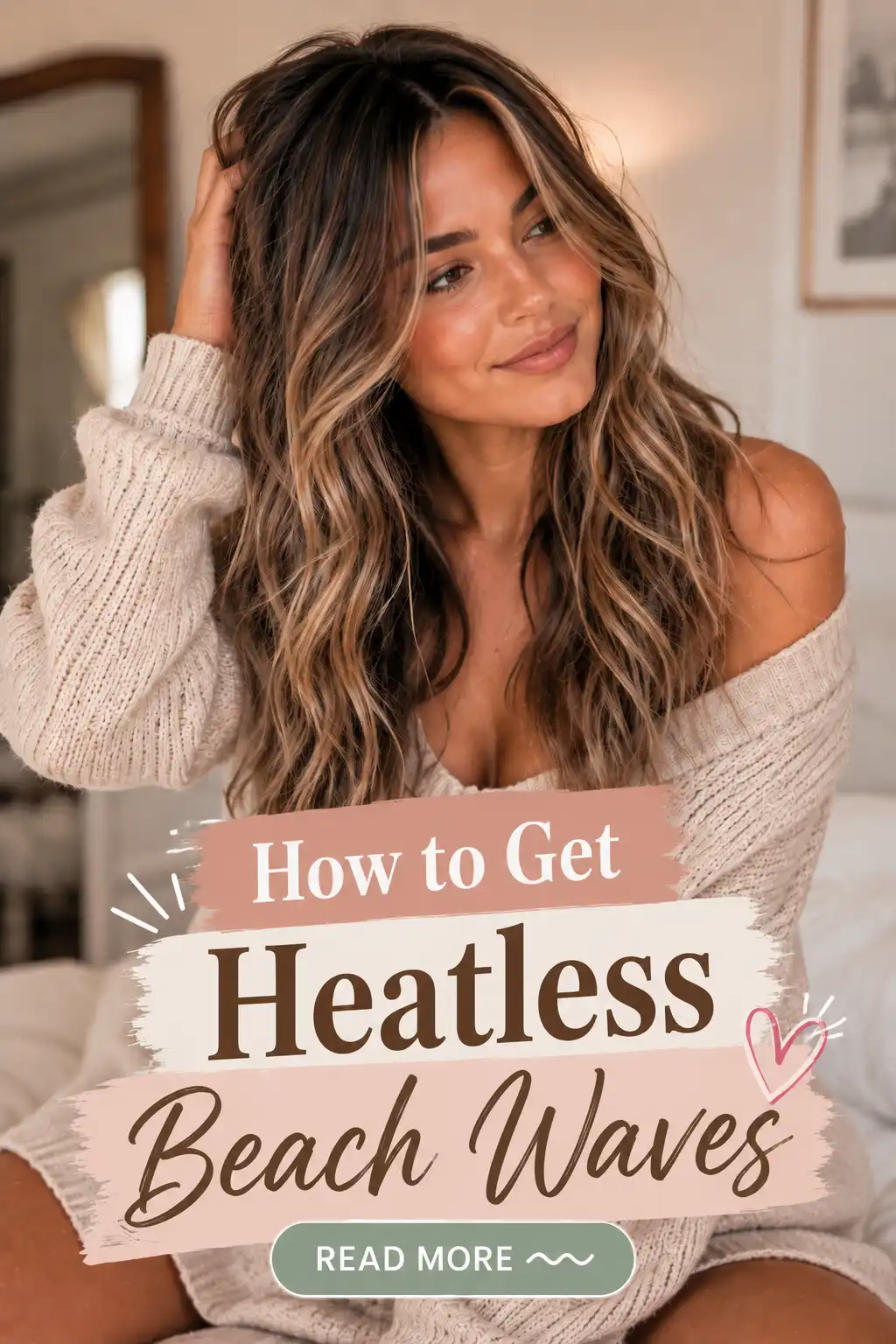
There’s something effortlessly beautiful about beach waves. They have that relaxed, sun-kissed texture that looks polished without appearing overly styled. The best part is that you don’t need a curling iron or hot styling tools to achieve them. If you’re trying to reduce heat damage, save time in the morning, or simply embrace healthier hair habits, learning how to get heatless beach waves at home is one of the easiest beauty skills to master.
Heatless waves work on almost every hair type with the right technique. Whether your hair is naturally straight, slightly wavy, or somewhere in between, overnight styling methods can create soft, natural-looking texture while you sleep. Instead of exposing your strands to daily heat, these techniques rely on simple tools like braids, fabric curlers, socks, or robe belts to shape your hair gently. With the right preparation and a few expert tips, you can wake up with voluminous, beach-inspired waves that last throughout the day.
What Are Heatless Beach Waves?
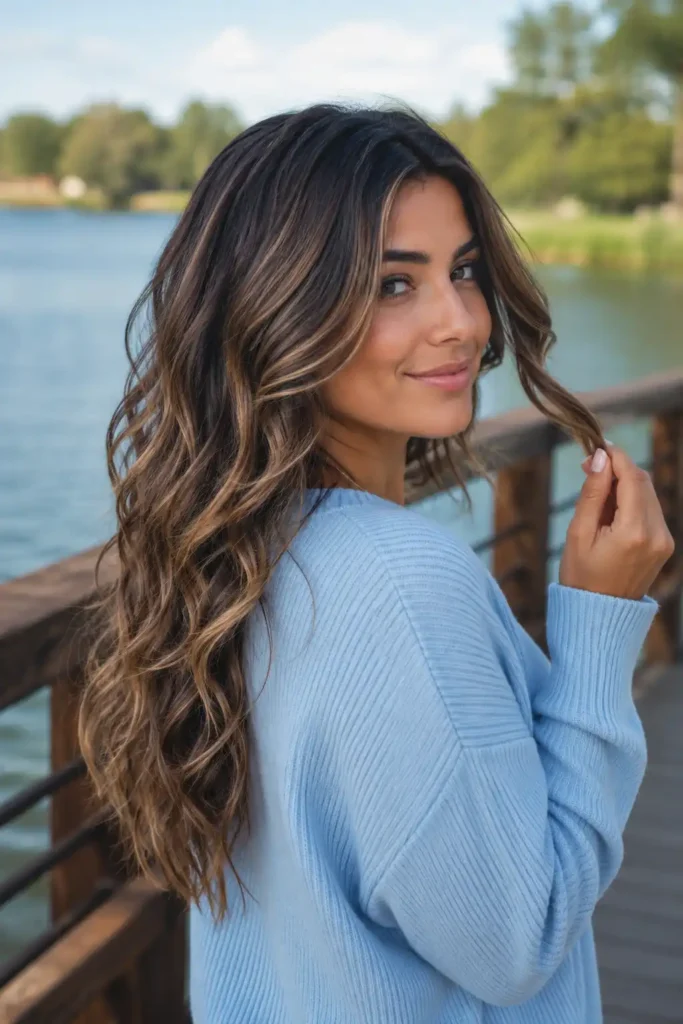
Heatless beach waves are loose, textured waves created without using hot styling tools such as curling irons, straighteners, or hot rollers. Instead, the hair is wrapped, braided, twisted, or rolled while slightly damp, allowing it to dry naturally into soft waves overnight. This technique minimizes moisture loss and helps preserve the hair’s natural strength, making it an excellent option for anyone concerned about long-term heat damage.
Unlike tightly defined curls, beach waves have an intentionally relaxed appearance with gentle bends and natural movement. They complement nearly every face shape and hair length, from shoulder-length cuts to long layered hairstyles. If your hair tends to look flat, combining heatless waves with techniques that add volume without heat can create fuller, more dimensional results while keeping your routine completely heat-free.
Why Heatless Styling Is Better for Your Hair
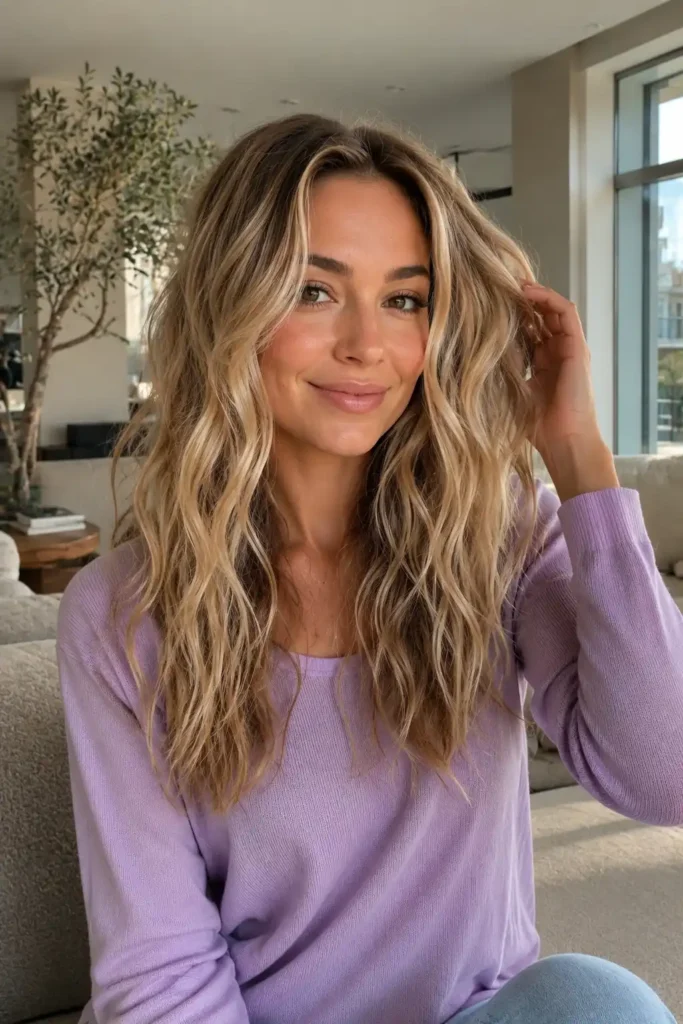
Using heated styling tools every day gradually weakens the hair cuticle. High temperatures strip away moisture, making strands more prone to dryness, split ends, and breakage over time. Switching to heatless methods allows your hair to retain its natural hydration while still achieving beautiful texture and movement. This is especially beneficial for color-treated, bleached, or chemically processed hair, which already requires extra care.
Heatless styling is also surprisingly versatile. You can customize your waves by adjusting the wrapping technique, braid size, or curler type depending on the look you want. Loose braids create soft, relaxed bends, while robe belts and foam curlers produce more defined waves. Since these methods work while you sleep, they also save valuable time during busy mornings. Many hairstylists recommend incorporating at least a few heat-free styling days each week to maintain stronger, healthier strands and reduce cumulative damage.
Prepare Your Hair Before Creating Heatless Waves
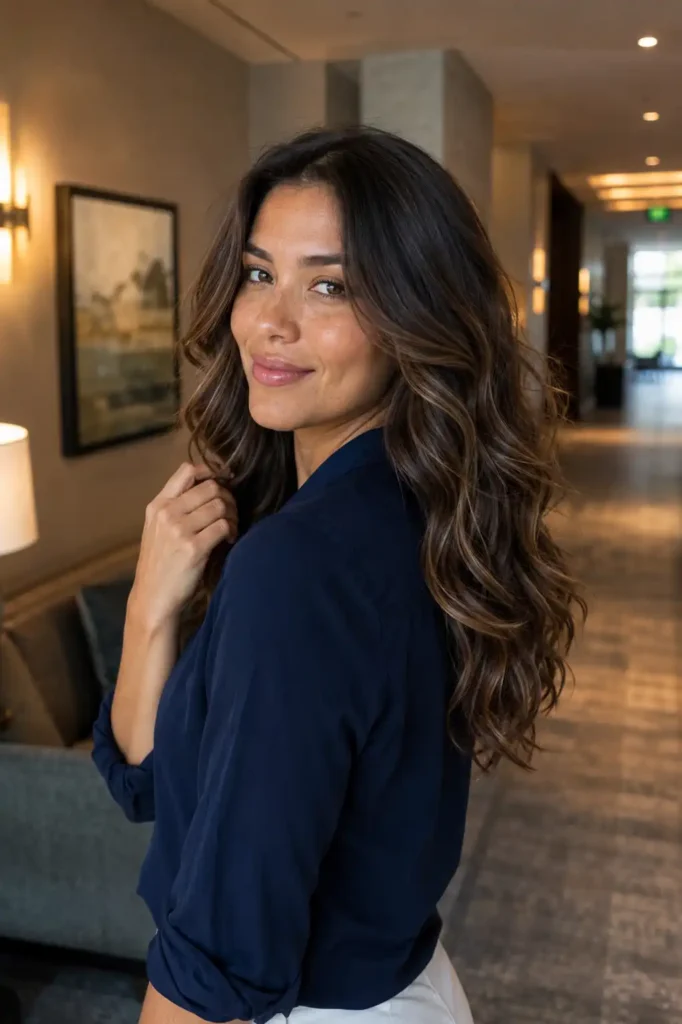
Preparation plays a huge role in how well your waves turn out. Start with freshly washed hair or lightly dampen dry hair using a spray bottle. Hair should be about eighty to ninety percent dry before styling because soaking wet hair often remains damp by morning, causing the waves to fall flat. Applying a lightweight mousse, curl cream, or texturizing spray helps the hair hold its new shape without making it stiff or crunchy.
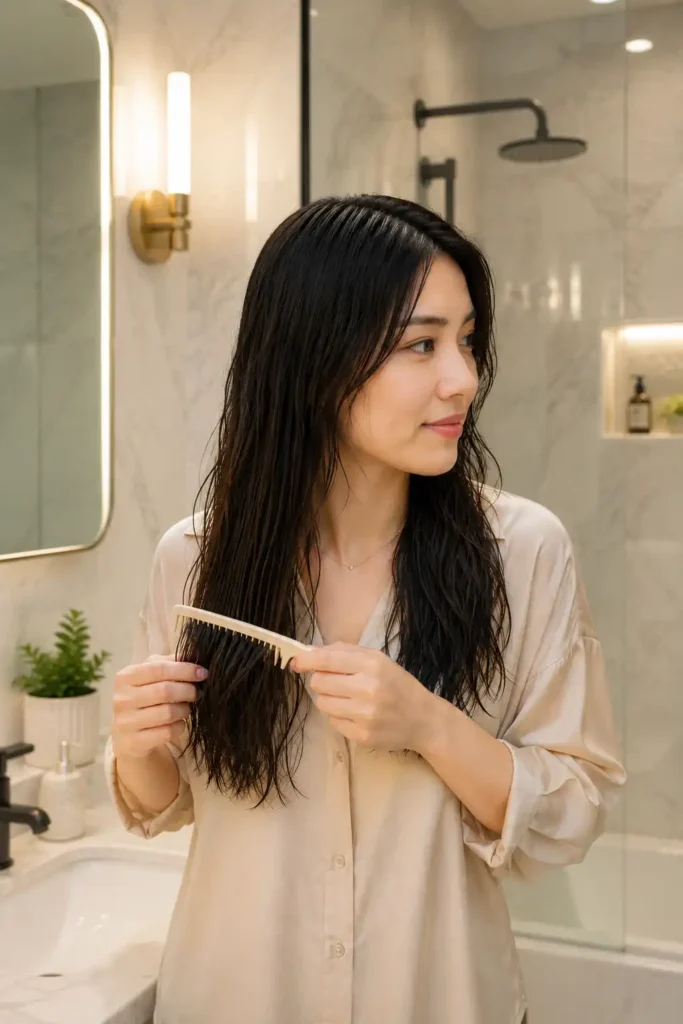
Before wrapping your hair, gently detangle it with a wide-tooth comb to prevent knots from forming overnight. If your ends are dry, apply a tiny amount of leave-in conditioner or lightweight hair oil to keep them smooth and hydrated. Healthy ends naturally produce softer-looking waves, so maintaining them with routines that prevent and treat split ends can significantly improve your overall styling results.
Method 1: Overnight Braids for Natural Beach Waves
Braiding remains one of the simplest and most reliable ways to create heatless beach waves. Divide your hair into two or four equal sections depending on its thickness. Loosely braid each section from just below the roots down to the ends, securing them with soft fabric hair ties that won’t leave harsh creases. Keeping the braids slightly loose creates relaxed waves, while tighter braids produce more texture and definition.
Sleep with the braids overnight and carefully undo them the next morning. Avoid brushing your hair immediately because this can make the waves look frizzy. Instead, separate them gently with your fingers and finish with a light mist of flexible-hold hairspray or sea salt spray. French braids work especially well for people who want volume near the roots, while classic three-strand braids create softer movement throughout the lengths.
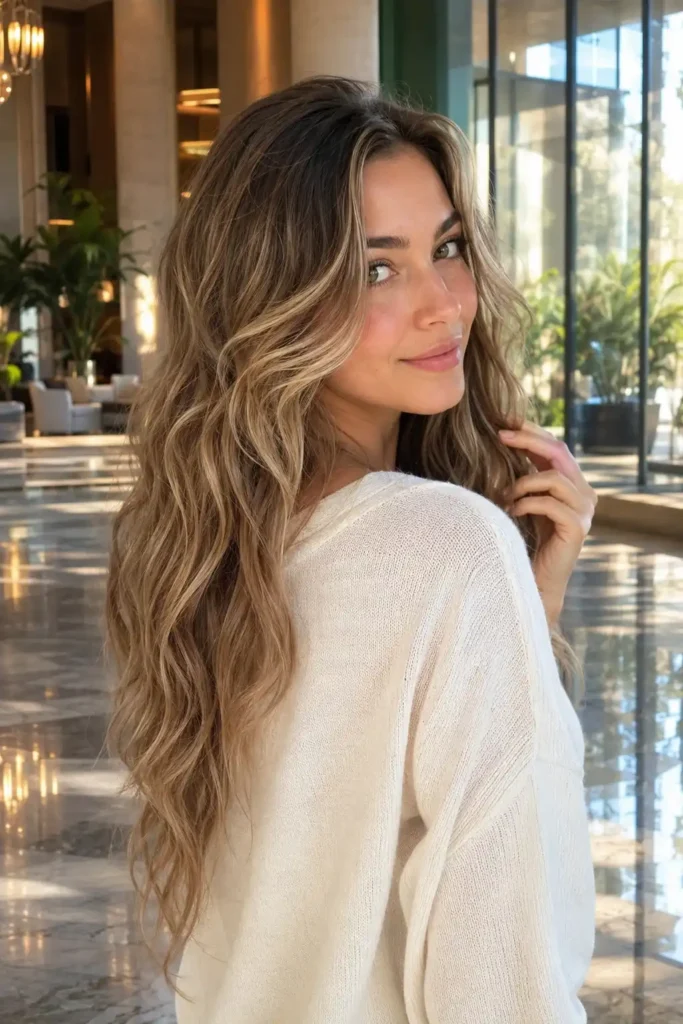
Method 2: Robe Belt or Heatless Curl Ribbon Technique
The robe belt method became incredibly popular because it produces salon-worthy waves with minimal effort. Begin by placing a soft robe belt or satin curling ribbon over the top of your head like a headband. Divide your hair into two sections and gradually wrap small pieces around the belt, adding more hair as you continue twisting downward. Secure the ends with silk scrunchies before going to bed.
This technique works particularly well on medium and long hair because it creates smooth, uniform waves with plenty of bounce. Satin materials also reduce friction while you sleep, helping minimize frizz and tangles. In the morning, gently remove the ribbon and shake out the waves using your fingers instead of a brush. A small amount of lightweight finishing serum helps define the waves without weighing them down.
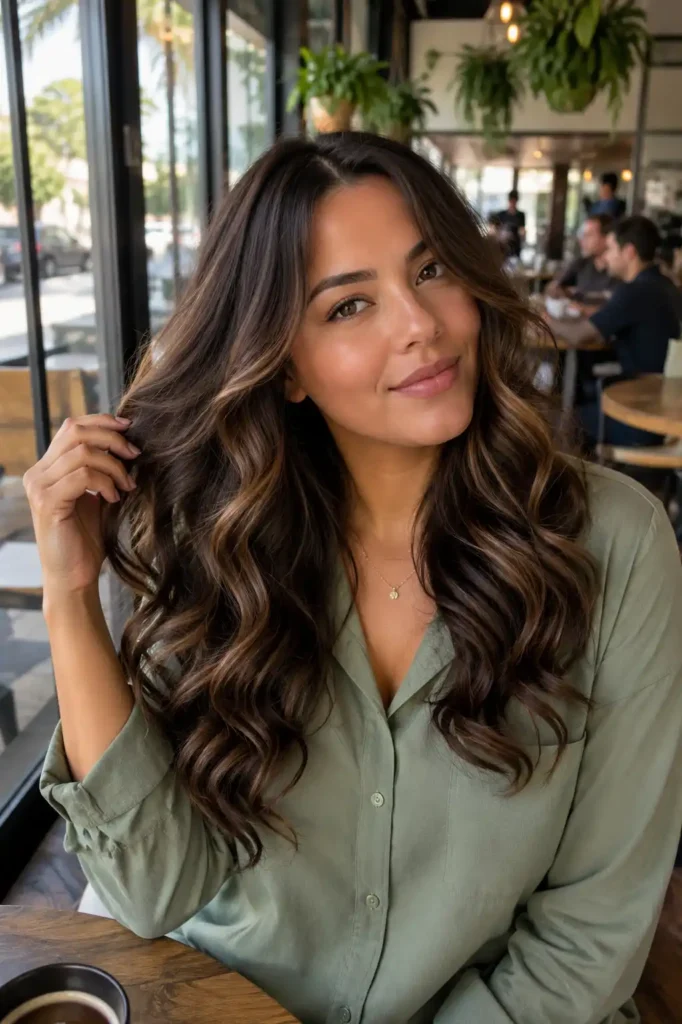
Method 3: Sock Curls for Soft, Loose Waves
Sock curls remain one of the most budget-friendly heatless styling methods available. Simply roll sections of slightly damp hair around clean socks and tie the ends securely. Depending on your desired look, you can use four to eight socks throughout your hair. Larger sections create relaxed beach waves, while smaller sections produce more defined curls.
The biggest advantage of sock curls is their comfort. Since socks are soft and flexible, they’re much easier to sleep in than traditional rollers. They also create natural-looking movement without leaving obvious bends or dents. This technique works particularly well for people with medium to long hair who prefer fuller, voluminous waves instead of tight curls.
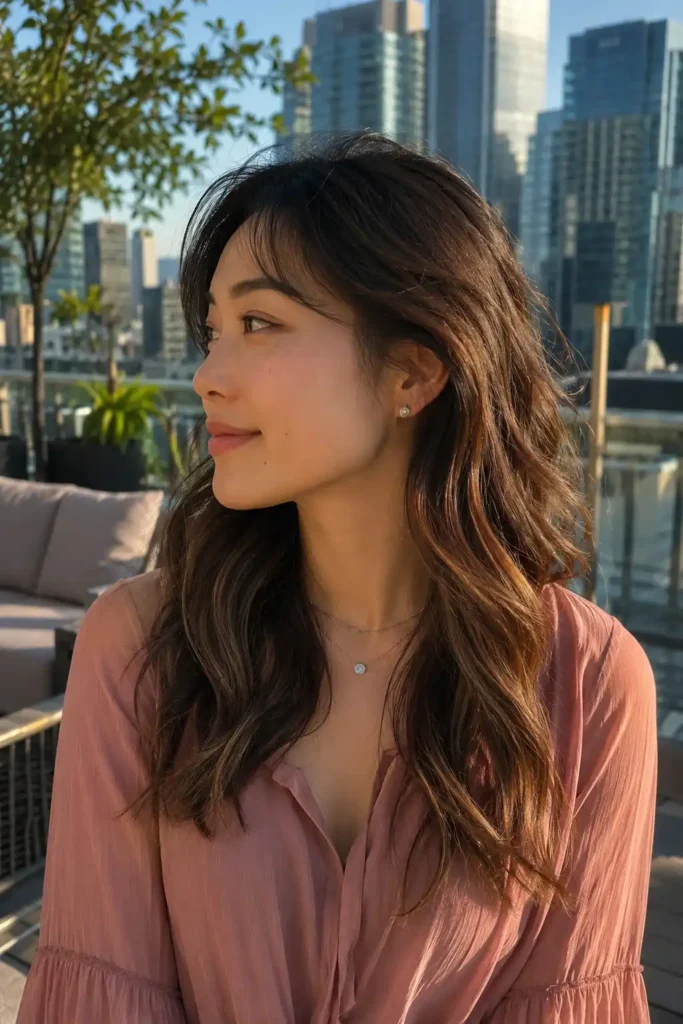
Method 4: Twisted Buns for Effortless Texture
Twisted buns create beautifully undone waves with very little effort. Divide damp hair into two or more sections, twist each section tightly, and wrap it into a small bun before securing it with a soft scrunchie. Leaving the buns in overnight allows the hair to dry while maintaining gentle curves and movement throughout the lengths.
This method is excellent for beginners because it requires very little practice and works on a variety of hair textures. The finished result resembles naturally tousled beach hair rather than perfectly uniform curls, making it ideal for casual everyday styling. If you already enjoy wearing relaxed updos like messy ponytail hairstyles, you’ll appreciate how twisted buns produce the same effortless texture once your hair is worn down.
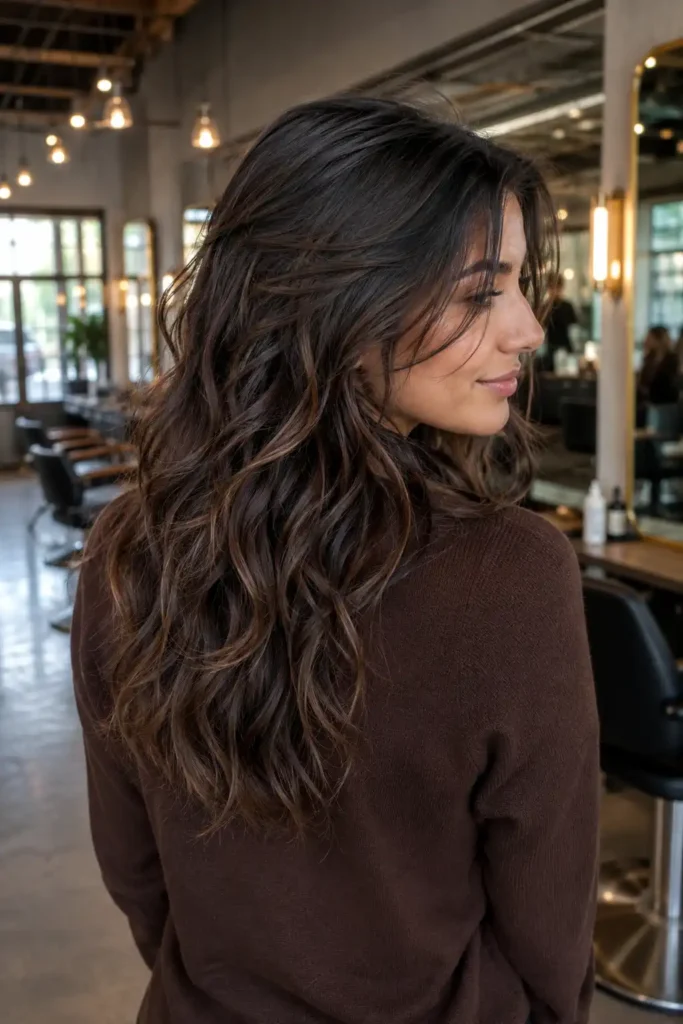
Common Mistakes That Make Heatless Waves Fall Flat
One of the biggest mistakes is styling hair that’s either too wet or completely dry. Excess water prevents the hair from drying overnight, while dry hair lacks the flexibility needed to hold a new shape. Slightly damp hair consistently delivers the most reliable results. Another common issue is applying too much styling product, which can leave the waves heavy, greasy, or stiff instead of soft and touchable.
Many people also make the mistake of brushing their waves immediately after removing the braids or curlers. Brushes separate the wave pattern and often create unnecessary frizz. Instead, gently rake your fingers through the hair and use a wide-tooth comb only if needed. Sleeping on a silk or satin pillowcase can further reduce friction and help preserve smoother, longer-lasting waves throughout the night.
Expert Tips for Long-Lasting Heatless Beach Waves
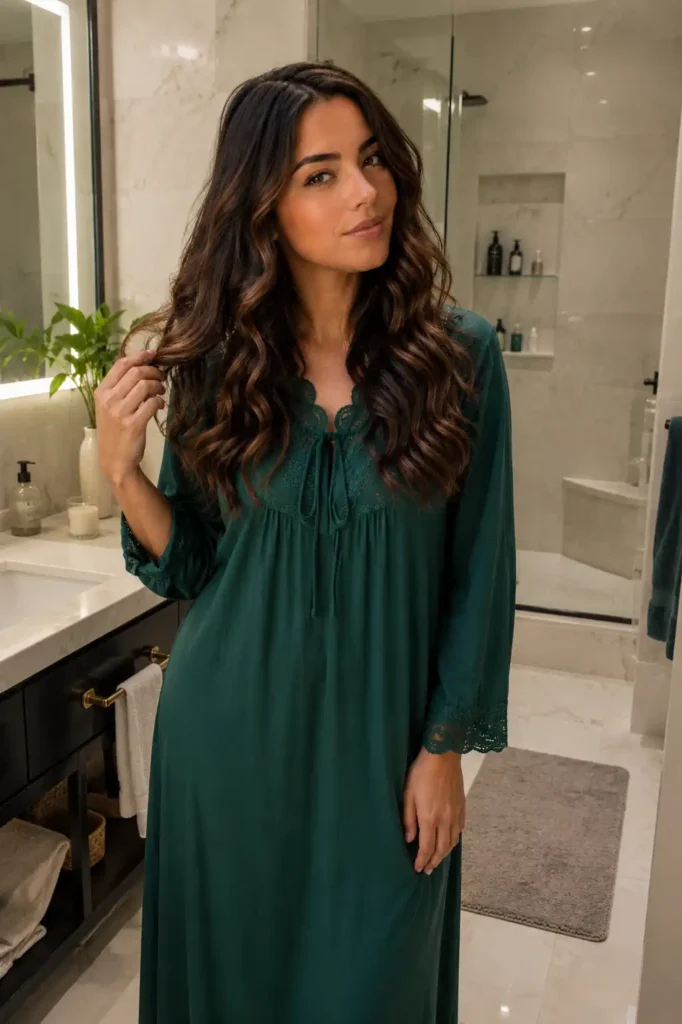
Professional hairstylists often recommend letting your hair cool completely before touching or separating the waves, even when using heatless methods. This allows the hydrogen bonds within the hair to fully reset, resulting in waves that maintain their shape for much longer. If certain sections fall flat, simply twist them around your finger for a few seconds instead of reaching for a curling iron.
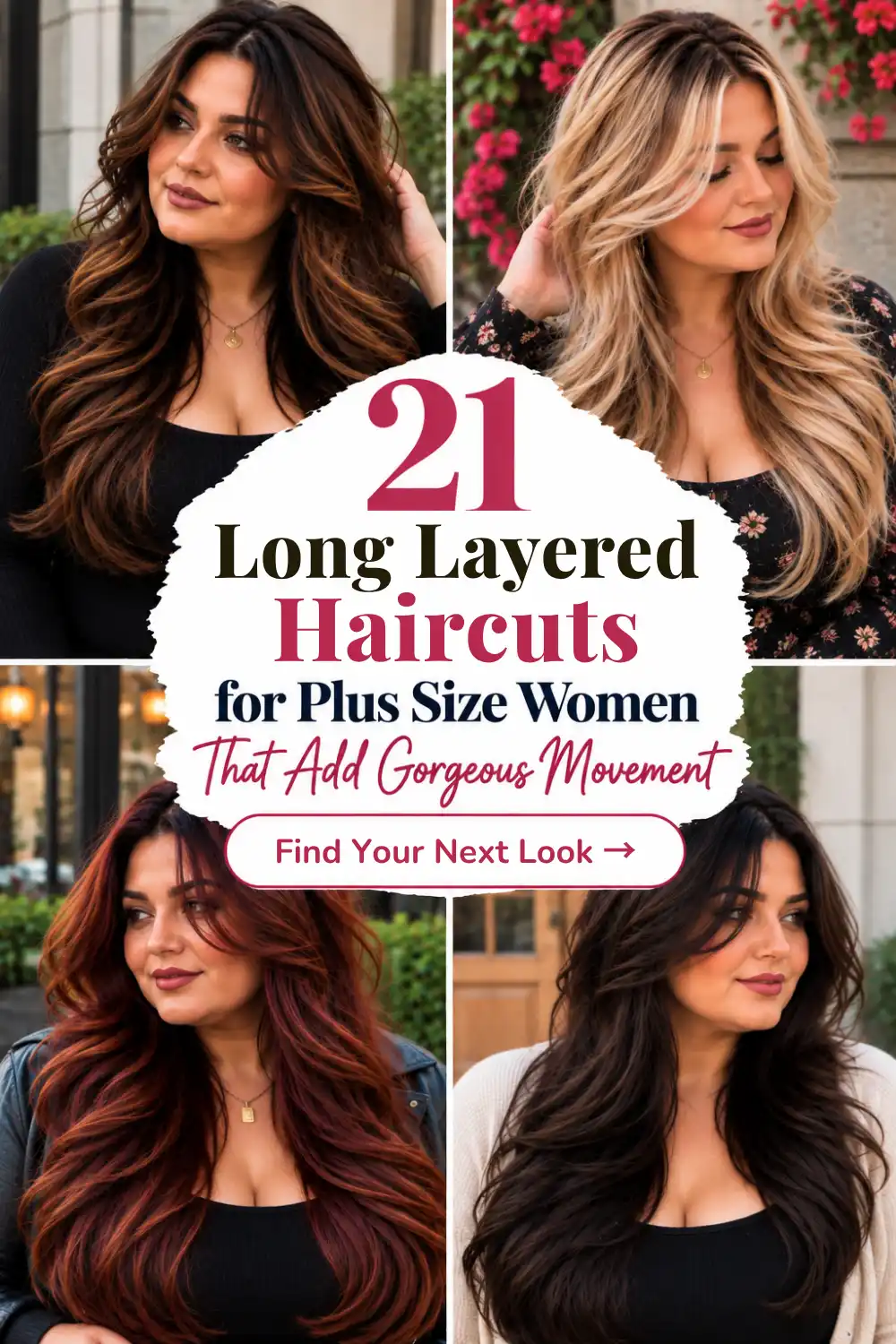
Another helpful trick is to avoid applying heavy oils before styling. While oils are excellent for hydration, using too much beforehand can prevent the hair from holding texture effectively. Instead, reserve nourishing oils for the finishing stage after your waves have fully formed. Regular trims and healthy layering also enhance the appearance of beach waves by allowing the hair to move more naturally. Those looking for styles that naturally complement textured waves may also enjoy exploring layered hairstyles for long hair for added shape and effortless movement.
Frequently Asked Questions
Can heatless beach waves work on naturally straight hair?
Yes, they can. Straight hair may need a little extra help holding a wave, so start with slightly damp hair and use a lightweight mousse or texturizing spray before styling. Leaving your braids, twists, or curlers in overnight usually gives the best results, and a flexible-hold hairspray can help the waves last longer.
Which heatless method creates the loosest beach waves?
For the most relaxed, effortless texture, loose overnight braids and twisted buns are excellent choices. If you prefer smoother, more uniform waves with added bounce, a robe belt or heatless curling ribbon often delivers a salon-inspired finish while still maintaining a natural-looking effect.
How should I ask my stylist for a haircut that enhances heatless beach waves?
Ask for long, soft layers that encourage natural movement without removing too much weight. Mention that you regularly wear heatless waves so your stylist can shape the cut to enhance texture and volume rather than creating blunt ends that may make waves appear flatter.
Can I create heatless beach waves on short hair?
Yes, although the best method depends on your length. Chin-length to shoulder-length hair often responds well to small twisted buns or mini braids, while very short styles may only achieve subtle bends. Using smaller sections generally produces better definition on shorter hair.
Why do my heatless beach waves disappear after a few hours?
Waves often fall flat if the hair was too wet, completely dry before styling, or weighed down by heavy products. Styling on hair that’s about 80–90% dry, choosing lightweight products, and avoiding excessive brushing after removing the curls can help improve longevity.
Should I sleep on a silk or satin pillowcase when using heatless styling methods?
Yes, it’s a worthwhile upgrade. Silk and satin pillowcases reduce friction while you sleep, helping minimize frizz, tangles, and flattened sections. They can also make overnight styling methods more comfortable and help your finished waves look smoother the next morning.
Which styling products help heatless beach waves last without feeling crunchy?
Lightweight mousses, texturizing sprays, curl creams, and flexible-hold hairsprays are usually the best options. These products add grip and definition without making your hair stiff. Avoid applying heavy oils before styling, as they can make it harder for your hair to maintain its wave pattern.
How often can I wear heatless beach waves without damaging my hair?
You can enjoy heatless beach waves regularly because they avoid the high temperatures that contribute to dryness and breakage. Even so, it’s still important to detangle gently, avoid overly tight wrapping techniques, and keep your hair healthy with regular trims and moisturizing treatments to prevent unnecessary stress on the strands.
Final Thoughts
Learning how to get heatless beach waves at home is one of the easiest ways to protect your hair while still enjoying beautiful, effortless texture. With methods like overnight braids, robe belts, sock curls, and twisted buns, you can create soft, natural waves without exposing your strands to damaging heat every day. The key lies in proper preparation, choosing the right technique for your hair type, and using lightweight styling products that enhance rather than weigh down your finished look.
As with any hairstyling routine, consistency and experimentation make all the difference. Every hair type responds differently, so don’t be afraid to try several techniques until you discover the one that delivers your ideal beach waves. Once you find the method that suits your texture and lifestyle, you’ll have an easy overnight routine that leaves you waking up with healthy, beautiful waves and far less time spent styling each morning.